A pebble finish is one of the most attractive upgrades you can make to your swimming pool, but it is also one of the biggest investments. If you have started researching pebble pool resurfacing cost, you have probably noticed a wide range of numbers online. Some homeowners see estimates that seem surprisingly affordable, while others are shocked by quotes that are much higher than expected.
The reality is that there is no one-size-fits-all price for a pebble finish. Every pool has its own condition, layout, and resurfacing requirements. A simple backyard pool in Winter Park may need very different work than a custom pool with a spa and multiple water features in Orlando.
Before you compare estimates, it helps to understand what actually drives the cost to resurface a pool and where your money goes during the project. Factors such as pool size, surface preparation, finish selection, and existing damage can all influence the final number.
In this guide, you will learn what affects pebble pool resurfacing cost, typical price ranges for Florida homeowners, how pebble compares to plaster in terms of long-term value, and what to look for before requesting estimates. By the end, you should have a much clearer understanding of whether a pebble finish makes sense for your pool and your budget.
Key Takeaways
|
Why More Florida Homeowners Are Choosing Pebble Pool Finishes
More homeowners are choosing pebble finishes because they provide a balance of beauty, durability, and long-term value that many other materials struggle to match.
Pools in Central Florida face unique challenges. Constant sun exposure, frequent rain, heavy use, and fluctuating pool chemistry can be tough on any pool surface. Over time, these conditions can accelerate wear and make older finishes look tired.
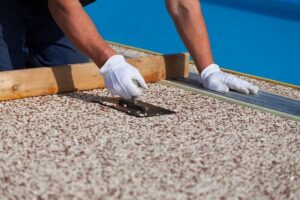
A pebble finish uses natural pebbles embedded within a cement-based mixture to create a strong and visually appealing surface. Instead of a flat appearance, you get depth, texture, and a more natural aesthetic that many homeowners compare to a luxury resort or natural lagoon.
The Shift Away From Traditional White Plaster
Many older Florida pools still have traditional plaster finishes. While plaster remains a budget-friendly option, it often shows its age faster than premium alternatives.
A typical plaster pool may eventually develop heavy staining, discoloration, deep etching, rough areas, and visible wear from daily maintenance chemicals.
Because pools in Orlando and surrounding communities are often used year-round, wear tends to accumulate faster than in cooler climates.
As a result, many homeowners considering pool resurfacing decide to upgrade rather than replace their existing finish with another layer of regular plaster.
What Makes Pebble Finishes Look More Premium
Pebble surfaces stand out because they create visual depth that flat finishes cannot easily replicate.
Depending on the selected finish material, you can achieve deep blue water tones, tropical lagoon appearances, contemporary resort styling, and natural stone aesthetics.
Some products even incorporate glass beads to add subtle sparkle and additional visual character.
The result is a new finish that often becomes one of the most noticeable upgrades in the entire backyard.
Is a Pebble Pool Finish Too Rough?
No, a modern aggregate pool surface is engineered to be comfortable for bare feet. The answer depends largely on the type of pebble selected.
Standard pebble products use larger aggregate pieces that create a more noticeable textured surface. Mini pebble products use smaller pebbles, producing a surface smoother feel while still maintaining the durability homeowners want.
If texture is one of your concerns, read our guide on Is a Pebble Pool Finish Too Rough?.
For many homeowners, mini pebble strikes the ideal balance between comfort, appearance, and longevity.
How Much Does Pebble Pool Resurfacing Cost in Florida?
The average pebble pool resurfacing cost in Central Florida typically ranges from about $5,500 to more than $12,000, depending on the scope of work. The number you ultimately pay varies based on several factors, including the existing finish condition, pool size, project complexity, and selected materials.
Typical Pebble Pool Resurfacing Cost Range
Most residential projects fall into specific sizing and cost brackets. You can look at general market realities across Florida using this baseline overview:
|
Pool Type |
Typical Cost Range |
|
Small pool or spool |
$5,500 to $7,500 |
|
Average family pool |
$7,500 to $10,000 |
|
Large custom pool |
$10,000 to $12,000+ |
These figures represent typical ranges, not guaranteed pricing. The final price depends heavily on site conditions and preparation requirements.
For homeowners researching pebble pool resurfacing cost, these ranges provide a realistic starting point before requesting a professional evaluation.
Average Cost Per Square Foot
Many contractors estimate resurfacing projects using square foot calculations. While costs vary, the overall cost generally increases as the amount of surface area increases.
Still, square footage alone does not determine the final cost.
A simple rectangular pool with easy access may cost less than a similarly sized pool with a spa, tanning ledge, and multiple custom features. Labor requirements often influence pricing just as much as materials.
Why Two Similar Pools Can Have Very Different Quotes
Contractors are pricing the entire operational project rather than just selling bags of raw material. Many homeowners are surprised when neighboring pools receive completely different estimates. The underlying explanation is that every concrete shell requires different structural attention.
Contractors must evaluate the existing surface condition, repair needs, physical backyard accessibility, material selection, project complexity, and equipment requirements.
A pool that requires extensive preparation work will naturally cost more than one that is structurally sound and ready for resurfacing.
Understanding these variables helps explain why online pricing calculators rarely provide accurate numbers.
What Factors Affect the Cost of Pebble Pool Resurfacing?
Several key variables influence the pebble pool resurfacing cost of your project. Understanding them before requesting estimates can help you compare quotes more confidently.
Pool Size and Surface Area
Pool size serves as the biggest factor for materials cost. Larger pools require more materials, more labor, and more installation time.
Additional elements, such as attached spas and tanning ledges, also increase the amount of finish required. As surface area increases, the cost generally increases as well.
Existing Surface Condition and Preparation Work
Preparation often has the greatest impact on project success. Before applying a new surface, contractors must evaluate the condition of the existing finish for delamination, deep cracks, hollow spots, staining, and structural wear.
Older pools with damaged old plaster frequently require additional repairs before resurfacing can begin.
If underlying issues are ignored, even the best finish may fail prematurely.
Standard Pebble vs Mini Pebble Finishes
Material selection also affects the pebble pool resurfacing cost. Standard pebble products typically provide a more pronounced texture and natural appearance.
Mini pebble products use smaller pebbles that create a more refined finish and often feel more comfortable during swimming and everyday use.
Many homeowners throughout Orlando and Winter Park prefer mini pebble because it combines durability with improved comfort.
Tile Line Upgrades During Resurfacing
Resurfacing creates an ideal opportunity to replace aging tile. Many homeowners choose to update both the finish and tile line during the same project because labor and preparation activities are already underway.
Bundling improvements together often delivers better overall value than completing separate projects later.
Water Features and Custom Details
Pools with spas, waterfalls, tanning ledges, and other water features generally require additional labor and materials. The more customized the pool design, the more time and attention the installation process typically requires.
As a result, these features can influence the final price of your resurfacing project.
Accessibility and Project Complexity
Even a beautiful pool can present challenges if crews cannot easily access the work area. Limited equipment access, confined spaces, and difficult site conditions often increase labor costs.
A project with difficult access may require additional setup time, specialized equipment, or modified installation procedures.
All of these factors contribute to the overall investment required for a successful resurfacing project.
Why Pebble Pool Resurfacing Costs More Than Plaster
A pebble finish costs more than plaster because the materials and installation process are more demanding. Many homeowners compare estimates and immediately notice that a pebble finish comes with a higher upfront cost. At first glance, that difference can seem difficult to justify. Once you understand how these finishes are built and how they perform over time, the pricing starts to make more sense.
Higher Quality Materials
A pebble finish contains carefully selected natural pebbles blended into a cement-based mixture. Some premium products from manufacturers such as Pebble Technology International also incorporate specialty aggregates to enhance appearance and durability.
Compared to traditional plaster, the finish is designed to better withstand daily use, chemical exposure, and environmental stress.
The quality of the materials used plays a major role in the overall pebble pool resurfacing cost, but it also contributes to a longer-lasting result.
More Specialized Installation
Applying an aggregate finish requires an advanced level of craftsmanship and timing. Installing pebbles requires skill, timing, and attention to detail. The process often includes surface preparation, material application, aggregate exposure, finishing procedures, and proper curing.
Contractors must carefully expose the top layer of the finish to reveal the aggregate underneath. If this step is rushed or performed incorrectly, the final appearance can suffer.
Even the best materials can fall short if the installation is not done properly.
Greater Long-Term Durability
Pebble surfaces eliminate the frequent need for structural remodeling. Most homeowners choose pebble because they want a finish that lasts.
While every pool is different, pebble surfaces generally outlast regular plaster by a significant margin when paired with proper care and balanced water chemistry.
The result is often fewer resurfacing cycles over the life of the pool.
Does a Pebble Finish Deliver Better Long-Term Value?
Yes. In many cases, pebble provides a stronger return on investment because of its lifespan and durability. The goal is not simply finding the lowest pool resurfacing cost. The goal is to find the right finish that delivers value over many years of ownership.
Expected Lifespan of Pebble vs Traditional Plaster
The following comparison helps illustrate why many homeowners choose pebble despite the higher initial investment.
|
Surface Type |
Typical Lifespan |
|
White plaster |
5 to 10 years |
|
Quartz pool finish |
10 to 15 years |
|
Pebble finish |
15 to 25+ years |
A quartz pool can offer a nice middle ground between plaster and pebble, but pebble remains one of the most durable options available for residential pools.
When evaluating pebble pool resurfacing cost, lifespan should always be part of the conversation.
How Florida Weather Impacts Pool Surfaces
The climate in Central Florida accelerates the breakdown of inferior materials. Intense sun exposure, high humidity, frequent rainstorms, and heavy year-round use all place stress on a pool surface. Chemical levels often fluctuate more aggressively in Florida than in many other parts of the country.
In cities such as Orlando, Tampa, and Sarasota, heat and moisture combination can hasten wear on older plaster finishes.
A pebble finish acts more like protective armor. It holds up better against environmental stress and is generally more resistant to chemical damage caused by fluctuating water chemistry.
Reduced Risk of Premature Surface Failure
Natural stone aggregate resists chemical etching far better than basic plaster mixtures. No finish lasts forever, but pebble tends to handle everyday wear more effectively than many alternatives. With proper maintenance, you may experience better resistance to staining, improved resistance to etching, stronger protection against wear, and longer intervals between resurfacing projects.
For many homeowners, those advantages help justify the higher pebble pool finish cost.
Lower Lifetime Ownership Costs
A lower upfront price often turns into a more expensive long-term burden. Paying less today does not always mean spending less over time.
If a plaster finish requires replacement years earlier than a pebble finish, the total investment across multiple resurfacing cycles can become much higher.
Many homeowners discover that a premium finish delivers better value in the long run because resurfacing becomes a less frequent expense.
When Is the Right Time to Upgrade to a Pebble Finish?
The best time to upgrade is before minor surface problems become major structural repairs. Many homeowners wait until visible damage appears throughout the pool. Unfortunately, delaying resurfacing too long can allow underlying problems to worsen.
Signs Your Current Surface Is Nearing the End of Its Life
Your pool will show clear warning signs when the plaster layer begins to fail completely. Common warning signs include persistent staining, rough texture, surface flaking, visible cracks, severe discoloration, and frequent algae growth.
If you find yourself constantly trying to remove stubborn algae or battling recurring stains, the finish itself may be contributing to the problem.
Why Waiting Too Long Can Increase Costs
Neglecting a failing surface allows water to slowly damage the concrete structure beneath it. Small issues rarely stay small. Cracks can expand. Surface deterioration can expose deeper layers. Additional repairs may become necessary before a new surface can be installed.
The longer the damage remains untreated, the more likely it is to affect the final price of the project.
How to Get an Accurate Pebble Pool Resurfacing Estimate in Orlando
The most accurate estimate always comes from an in-person inspection. Online calculators can provide rough ranges, but they cannot evaluate the condition of your specific pool.
What a Professional Inspection Should Include
A comprehensive evaluation must look beyond surface aesthetics. A thorough evaluation should review the existing finish condition, surface damage, precise pool measurements, tile condition, spa features, water features, and equipment access.
These details help determine the true cost to resurface the pool.
Questions Worth Asking Before Comparing Quotes
Asking specific operational questions ensures you are comparing identical service standards. Before selecting a contractor, ask questions such as:
- What preparation methods will be used?
- Are repairs included?
- What finish options are available?
- What warranty is provided?
- How long is the project expected to take?
A reputable contractor should have no problem explaining how the estimate was developed.
Why Online Cost Calculators Often Miss the Mark
Digital estimators only analyze basic dimensions while missing the physical context of your yard. Most calculators focus on size while ignoring important variables.
They cannot see hidden damage. They cannot evaluate accessibility. They cannot identify repair requirements. As a result, they often underestimate the true cost of pebble pool resurfacing.
DON’T FORGET: Request a Transparent Consultation Before You Commit
Every pool tells a different story based on how it was built and maintained.
A neighbor’s estimate may have little connection to your project. Surface condition, design complexity, finish selection, and repair requirements all influence pricing.
If you are considering pool resurfacing, the smartest next step is scheduling an on-site evaluation. A professional inspection can help you understand available finish options, compare standard and mini pebble products, identify repair needs, receive a realistic budget range, and avoid costly surprises later.
You can learn more about Orlando Pool Resurfacing Services here:
Is Pebble Pool Resurfacing Worth the Cost in Florida?
For many Florida homeowners, the answer is yes.
A pebble finish costs more than plaster upfront, but it often delivers better durability, stronger resistance to environmental wear, and a longer service life. Those benefits become especially important in Central Florida, where pools experience intense sunlight, high humidity, and nearly constant use.
The exact pebble pool finish cost depends on your pool’s condition, design, and finish selection. What remains consistent is the importance of quality preparation and professional installation.
If you are weighing your options, start with a thorough evaluation of your existing surface. A knowledgeable contractor can help you compare finishes, understand the true scope of work, and determine which solution fits your goals and budget.
Professional Aquatic Services works with homeowners throughout Orlando and surrounding communities to evaluate resurfacing projects, explain finish options, and provide detailed recommendations based on the unique needs of each pool.