
No, a properly installed pebble pool finish should not hurt your feet.
Yet you have probably seen online comments claiming that pebble finishes feel too rough, scrape skin, or make swimming less enjoyable. If you are planning pool resurfacing in Orlando, Tampa, Sarasota, or anywhere in Central Florida, those stories can make you second-guess your decision.
The concern is understandable. A new pool finish is a major investment. You want something that looks beautiful, lasts for decades, and feels comfortable every day. You do not want to spend thousands on a surface your family will not love.
What many homeowners do not understand is that not all pebble finishes are the same. The difference between older products and modern mini pebble surfaces is significant. The quality of the installation also plays a huge role in how the finished surface will feel underfoot.
Before deciding whether a pebble pool finish is worth considering, it helps to separate internet myths from real-world experience.
|
Key Takeaways
|
Why Some Homeowners Think Pebble Finishes Are Too Rough
If you have heard that pebble finishes are uncomfortable, there is usually a reason behind that opinion. Most concerns can be traced back to older installations, maintenance issues, or confusion between different types of aggregate finishes. Understanding where the reputation comes from makes it much easier to separate real concerns from outdated assumptions.
The Origin of the Pebble Is Uncomfortable Reputation
Many concerns about pebble surfaces come from older installations.
Years ago, some builders used larger exposed aggregates, creating a more pronounced texture. While those surfaces offered excellent durability, they could feel more noticeable under bare feet.
Problems became more common when inexperienced installers exposed too much of the pebble during the finishing process. Poor workmanship sometimes left surfaces feeling harsher than intended.
As those homeowners shared their experiences, the reputation stuck.
The challenge is that many people still associate modern pebble tec and mini pebble products with installations completed decades ago. Today’s materials, methods, and finishing techniques have improved dramatically.
Why Texture Is Actually Part of the Design
A slight texture is intentional.
As opposed to traditional plaster, exposed aggregate surfaces are designed to provide traction. That extra grip can be especially helpful around shallow play areas, tanning ledges, entry steps, and Baja shelves.
Think about a wet patio. A perfectly smooth surface may look appealing, but it can become slippery under certain conditions. A properly finished pebble pool finish creates a balance between safety and comfort.
You should notice the surface. You should not feel like you are walking on sandpaper. That distinction matters.
What Are the Common Problems with Pebble as Pool Resurfacing Material?
The most common problems involve scaling, staining, or poor workmanship rather than the material itself.
Many complaints attributed to pebbles are actually maintenance or installation issues. Understanding the cause helps you avoid unnecessary concerns before your pool remodeling project.
Scaling Can Make Any Pebble Pool Finish Feel Rougher
Calcium scale is one of the biggest reasons homeowners think a surface has become excessively rough.
Florida water often contains minerals that can build up on a pool finish over time. When water chemistry drifts out of balance, calcium deposits may accumulate across the surface.
The result is a crusty layer that feels much different than the first finish.
Many homeowners assume the material failed when the real culprit is improper water chemistry.
A properly maintained pool with balanced water can help preserve both the appearance and comfort of the surface for years.
Staining Can Affect Appearance
Like any premium surface, pebble finishes can develop discoloration under certain circumstances.
Leaves, metals, chemical imbalances, and organic debris can sometimes stain a finish. Darker shades, such as black or deep brown, may show certain marks differently than lighter finishes.
Routine maintenance helps prevent most staining issues.
Keeping the surface clean, monitoring water chemistry, and removing debris quickly all help ensure long-term performance.
Improper Installation Can Create Surface Irregularities
Installation quality often determines whether a finish becomes a success story or a frustration.
During the installation process, the exposed aggregates must be properly distributed and finished. Uneven exposure can affect both appearance and feel.
An experienced contractor understands how Florida’s heat, humidity, and curing conditions influence the final result.
Most issues associated with a pebble pool finish are preventable when the work is completed correctly, and the water remains balanced after startup.
Standard Pebble vs. Mini Pebble: What’s the Difference?
The biggest difference is aggregate size. While both surfaces offer outstanding durability, the size of the exposed stones influences appearance, texture, and overall comfort.
Standard Pebble Finish
A standard pebble pool finish uses larger exposed aggregates.
Many homeowners choose this category because it delivers a highly natural appearance that resembles a lagoon or resort-style pool.
Benefits include:
- Excellent durability
- Distinctive natural character
- Strong slip resistance
- Wide range of color options
Because the stones are larger, the texture is more noticeable beneath your feet.
Mini Pebble Finish
A mini pebble surface uses smaller aggregates while maintaining the same core benefits.
The smaller stones create a more refined appearance and a softer feel. Many Florida homeowners with children gravitate toward mini pebble finishes because they provide outstanding comfort without sacrificing performance.
Benefits include:
- More smooth underfoot experience
- Elegant appearance
- Excellent durability
- Enhanced visual depth
- Broad color selection
Many people describe mini pebble as offering the perfect combination of performance and comfort.
Side-by-Side Comparison Table
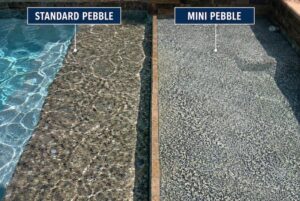
Both options offer excellent durability and long-term value, but they create slightly different experiences underfoot and visually. Looking at the key characteristics side by side can help you quickly identify which finish suits best with your comfort preferences, design goals, and how your family uses the pool.
|
Feature |
Standard Pebble |
Mini Pebble |
|
Aggregate Size |
Larger |
Smaller |
|
Comfort Underfoot |
Moderate |
Higher |
|
Slip Resistance |
Excellent |
Excellent |
|
Appearance |
More natural and rustic |
More elegant and refined |
|
Durability |
Excellent |
Excellent |
|
Popularity in Florida |
High |
Very High |
Which Pebble Finish Is Better for Families with Children?
For many families, mini pebble is often the preferred choice.
Children spend a lot of time on steps, tanning ledges, and shallow play areas. These are the places where surface comfort becomes most noticeable.
A mini pebble finish typically provides a gentler feel while still retaining the traction needed around wet surfaces.
Imagine a child spending hours playing on a Baja shelf during a summer afternoon in Orlando. A refined aggregate surface can make those long swim sessions more enjoyable without reducing safety.
The goal is not to achieve a perfectly smooth surface. The goal is to find the right balance between traction and comfort.
Many homeowners find that mini pebble achieves exactly that.
How Pebble Compares to Quartz and Traditional Plaster
Every resurfacing material has strengths and tradeoffs.
Traditional plaster remains one of the most affordable choices. It offers a clean appearance but generally has a shorter lifespan than exposed aggregate products.
Quartz finishes improve upon traditional plaster by increasing strength and visual appeal. Many homeowners appreciate the added shimmer and improved durability.
A pebble pool finish typically sits at the premium end of the market. It offers exceptional longevity, rich visual depth, and outstanding durability against wear.
For a complete breakdown of plaster, quartz, and pebble options, read our guide to the best pool resurfacing materials.
When evaluating materials, it helps to concentrate on long-term value rather than upfront cost alone. A finish that lasts for decades may deliver better overall worth than one requiring replacement sooner.
How to Choose the Right Pebble Finish for Your Florida Pool
The best choice depends on how you use your pool.
Before selecting a finish, consider:
- Who uses the pool most?
- Do you favor comfort or visual impact?
- Do you prefer a natural or more elegant appearance?
- How important is long-term durability?
- Are you planning for future resale value?
Another important consideration involves viewing physical samples.
Online images can be helpful, but they rarely capture true texture, color, or depth. Lighting conditions change throughout the day. Water also changes how a finish appears once the pool is filled.
The only reliable way to eliminate uncertainty is to see a sample in person.
You can touch the surface, compare finishes side by side, and gain a much better understanding of what your completed project will actually look and feel like.
Professional Installation Makes the Biggest Difference
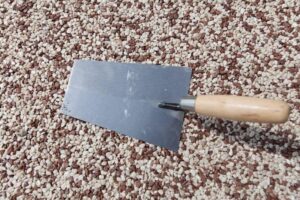
Even the best materials cannot overcome poor workmanship.
Florida creates unique challenges during pool resurfacing. High temperatures, strong UV exposure, humidity, and frequent rain all influence curing conditions.
Experienced resurfacing professionals know how these environmental aspects affect aggregate exposure and surface consistency.
Proper preparation of the existing cement shell, accurate startup procedures, and ongoing water balancing all contribute to the final result.
Many homeowners focus heavily on material selection. The installer often has a greater impact on long-term performance.
Learn more about our Orlando pool resurfacing services and available finish options.
Choosing a qualified contractor helps protect your investment, maximize longevity, and make sure you receive the great finish you expect.
Pebble Does Not Have to Mean Rough
A modern pebble pool finish does not have to feel excessively rough.
Most negative experiences stem from older installations, improper water chemistry, or workmanship issues rather than the material itself. Today’s mini pebble products offer a more refined surface while continuing the impressive durability that makes aggregate finishes so popular throughout Florida.
Whether you live in Orlando, Tampa, Sarasota, or another Central Florida community, selecting the right finish comes down to balancing appearance, performance, and comfort.
At Professional Aquatic Services, you can explore premium resurfacing options, compare finishes firsthand, and receive guidance tailored to your specific pool remodeling goals.
DON’T FORGET: Compare Pebble Finish Samples Before You Decide
The best way to know whether a finish is right for your family is to experience it in person.
Arrange a consultation and touch real finish samples, compare color options, evaluate texture, and discuss how your family uses the pool. You can view different surfaces side by side, ask questions, and make sure you are comprehending exactly what to expect before work gets started.
A resurfacing project is a significant investment. Getting specialist guidance before you purchase helps ensure you choose a finish you will love for years to come.
Ready to explore your options? Contact Professional Aquatic Services today and request a consultation.