
Many Apopka homeowners think pool resurfacing might change the depth of their pool—but that’s not how it works. This confusion can lead to delays, unexpected costs, or disappointment when the finished pool looks great but still has the same shape and depth.
Pool resurfacing involves giving your pool a fresh surface by replacing worn plaster, fixing cracks, and upgrading finishes, without reshaping the structure. It won’t make your pool deeper or shallower, nor will it change how your pool equipment works.
If you’re thinking about adjusting the depth, you’ll need a full remodel, not just resurfacing. This guide clears up the differences, explains what resurfacing can and can’t do, and helps you plan the right type of project for your goals and your budget in Apopka.
What Pool Resurfacing Actually Does
Pool resurfacing provides your swimming pool with a new surface without changing its shape or depth. Over time, wear and tear from the sun, chemicals, and water can make the surface feel rough, look stained, or even start cracking. Resurfacing smooths things out, improves safety, and brings your pool back to life, without tearing everything apart.
Here’s how the typical pool resurfacing process works:
- The pool is drained and cleaned
- Loose plaster, stains, and rough textures are removed
- Cracks and surface damage are patched
- A new material—like plaster, exposed pebble, or quartz—is installed
- Waterline tile or coping may be replaced if it’s damaged
Homeowners in Apopka often choose:
- White plaster for a smooth, simple finish
- Pebble Tec for texture and long-term durability
- Quartz finishes for style, stain resistance, and slip protection
- Glass beads for a sleek look and shimmer in the sun
If your pool surface feels rough or shows signs of aging, resurfacing is a smart move. It’s a cost-effective way to update your pool without going into full renovation mode.
Does Resurfacing Change Pool Depth?
The short and simple answer is no.
If you’re hoping that swimming pool resurfacing will make your pool deeper or shallower, it won’t. Pool resurfacing only updates the interior surface, not the pool’s structure or shape. It’s like giving your pool a fresh skin, not a full-body transformation.
When a pool resurfacing company works on your concrete pool, they apply a new surface material, like white cement plaster, pebble, or quartz, over the existing shell. This layer is usually just 3/8 to 1/2 an inch thick. While that adds a little depth, it’s so minimal you’d never notice it when swimming. The real goal is to smooth out rough patches, seal up cracks, and improve safety with a slip-resistant finish.
So, if your pool surface is stained, flaky, or hard on your feet, resurfacing is a great fix. But if you’re looking to change pool depth, you’ll need something more involved.
Common Misconceptions About Resurfacing vs. Remodeling
Many pool owners mix up resurfacing and remodeling. Resurfacing keeps everything the same. It just gives the pool a clean, sealed, and updated look. Remodeling, on the other hand, involves breaking into the structure to reshape the floor, add tanning ledges, or change the slope.
If a contractor promises to “adjust depth” during a basic resurfacing job, that’s a red flag.
Why Structural Pool Changes Require a Remodel
To change the depth of your pool, you’ll need structural modifications like excavation, rebar adjustments, or new plumbing. That’s a full remodeling project, not just surface work. It takes more time, more permitting, and usually more budget.
Resurfacing is fast, cost-effective, and cosmetic. Remodeling is where real structural changes happen.
When and How Pool Depth Can Be Changed
Resurfacing your pool won’t change how deep it is, but a full remodel can. If you’re looking to make your pool deeper, shallower, or more functional for your family, this kind of structural work is possible. It’s a big project, but for many homeowners, it’s worth it.
Pool Remodeling Projects That Allow Depth Adjustment
Changing a pool’s depth means reworking the actual structure. This isn’t something a surface job can handle. It takes heavy equipment, skilled crews, and careful planning. The process usually involves removing old concrete, digging out or filling in the floor, and installing new rebar and concrete to reshape the pool.
Here are a few common ways homeowners adjust pool depth:
- Creating a New Shallow End
Ideal for families with small kids or anyone who prefers lounging. The deep end is partially filled in to create a flat, shallow space. - Adding a Deep End for Diving
To install a diving board safely, the pool floor is excavated to meet minimum depth requirements. - Installing a Sun Shelf or Baja Ledge
A shallow ledge is built near the pool’s edge, offering a spot to relax, sunbathe, or let toddlers splash safely. - Adjusting the Slope
Pools with steep slopes can be reshaped for a more gradual transition between low and deep ends, improving comfort and usability.
Cost & Permitting Factors in Apopka
Remodeling a pool to change its depth is a serious investment. Unlike basic resurfacing, which often costs a few thousand dollars, depth modifications typically run between $10,000 and $60,000+, depending on the pool size, materials, and how much you’re changing.
Because this involves structural changes, the City of Apopka requires permits.
- What You’ll Need: Detailed plans showing depth changes and updated measurements.
- What to Expect: The city will schedule inspections at each phase—from rebar to plumbing—to make sure everything meets code.
- Why It Matters: Permits protect your investment. Neglecting this step can lead to stop-work orders, fines, or problems during resale.
Our team handles all permitting for you, so the process stays on track and compliant from day one.
When It Makes Sense to Change Depth
Changing the depth of your pool isn’t just cosmetic—it’s about making the space fit your lifestyle.
Here’s when it makes sense:
- For safety: Shallow areas are safer for young children or older adults.
- For diving: Adding a board? You’ll need enough depth to meet safety standards.
- For comfort: A sun shelf or larger shallow zone makes your pool better for relaxing, gathering, or low-key family use.
- For accessibility: Shallower entries and gentler slopes help people with mobility issues enjoy the pool safely.
If your current pool feels outdated or doesn’t match your family’s needs, a depth change might be the long-term solution you’re looking for.
How to Tell If You Need Resurfacing or Remodeling
Not all pool problems require a full remodel. In many cases, swimming pool resurfacing is all you need to restore a smooth texture and updated look. But if the damage goes beyond the surface, it may be time to consider structural work.
Here’s a simple breakdown to help you tell the difference:
|
Resurfacing May Be Enough If You Notice… |
Remodeling May Be Needed If You Notice… |
|---|---|
|
Surface stains that don’t come off with an acid wash |
Cracks that extend deep into the pool shell |
|
Rough patches or flaking plaster |
Sections of the pool are shifting or sinking |
|
Fading or worn pool finishes |
Waterline tile is detaching due to wall movement |
|
Minor leaks around fittings or steps |
Major plumbing leaks under the pool area |
|
Outdated look but solid structure |
The pool floor feels uneven or hollow when walked on |
Local Insight: Apopka Pool Types and Common Issues
In Apopka, most pool owners have concrete pools with plaster or pebble finishes. Due to heat, chemical exposure, and settling soil, surface wear is common, but deeper issues do happen, especially in older properties or where drainage isn’t ideal.
If you’re unsure, a licensed pool contractor can inspect your pool and help you decide which option makes the most sense for your property.
Resurfacing Keeps the Same Shape and Depth
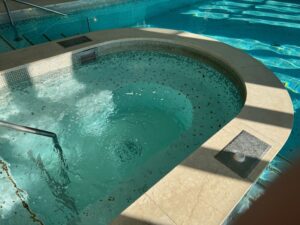
Pool resurfacing improves the look and feel of your swimming pool, but it doesn’t change its shape or depth. The process only updates the interior surface, so if you’re hoping to make the pool deeper or add features like a sun shelf, you’ll need a full remodel. That type of work involves structural changes and permits, which go far beyond standard resurfacing.
Not sure which option fits your project? Talk to a licensed pool contractor in Apopka who can evaluate your pool’s condition and walk you through the right solution.
Thinking of changing your pool’s depth? Talk to Professional Aquatic Services for a free quote.