
Cooler months mean fewer swimmers, but they also bring a perfect window for thoughtful maintenance planning. Many Lake Mary property managers and business owners face costly repairs each spring because small cracks, leaks, or worn equipment were left unaddressed. Acting now can prevent those headaches later.
This blog explains how to save on pool repair in Lake Mary by using the cold season to plan. You’ll learn why off-season repairs cost less, how to avoid scheduling delays, and which fixes protect your pool’s structure for the long term. With Lake Mary’s mild winter weather, maintenance crews can work efficiently, helping you prepare for a smoother, more profitable swim season.
Why the Cold Season Is the Smartest Time for Pool Repair in Lake Mary
Once the busy summer months pass, pool service demand drops across Central Florida. That slowdown means you can schedule pool repair in Lake Mary faster and often at lower rates. Contractors have more flexibility, and you won’t have to wait weeks for an available slot. Cooler temperatures also make the work more efficient. Materials like plaster, grout, and sealant cure evenly when heat and humidity are moderate, which helps repairs last longer.
In Lake Mary, Florida’s mild winter weather keeps conditions comfortable for both technicians and pool owners. Crews can repair, refinish, or replace equipment without dealing with extreme heat or frequent storms. Taking advantage of this time of year helps you save money and ensures your pool is ready to go before the next swim season starts.
Preventive Maintenance That Saves You Money Later
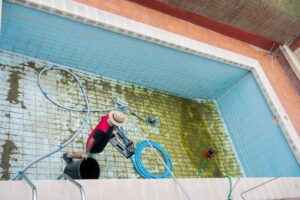
Addressing small issues during the cold season prevents bigger repair costs later. Minor wear and tear may not seem urgent now, but ignoring it can lead to serious damage once temperatures rise and pools are used more often. A professional inspection helps catch early problems and keeps your system running efficiently.
Here are key maintenance steps that can save money long-term:
- Fix small cracks before they spread into structural breaks that require resurfacing.
- Regrout coping and tiles to stop water seepage that can weaken your pool deck.
- Check pump seals, filters, and valves for leaks that reduce circulation and increase energy use.
- Inspect pool heaters and lights to ensure safe, efficient performance before peak demand.
A $150 fix now can prevent a $1,000 pool resurfacing job later. Preventive care keeps your pool reliable year-round and protects your investment.
How to Plan a Cold-Season Pool Repair Budget
Planning your pool repair in Lake Mary during the colder months is one of the smartest moves you can make. Cooler weather gives materials like plaster and grout time to cure evenly, so repairs last longer and look better. Start with a quick check of your swimming pool’s surface, tiles, and coping. Look for cracks, leaks, or signs of scaling before they grow into bigger issues.
Here’s a simple cold-season repair plan to help you save time and money:
- Inspect visible surfaces and equipment. Check the pool pump, heater, and plumbing for leaks or weak spots. Make sure seals and fittings are tight, especially around filters and valves.
- Fix the structure before it looks. Cracks and leaks should take priority over tile color or cosmetic upgrades. A solid foundation prevents repeat repairs later.
- Compare several quotes. Ask at least three local contractors for estimates and mention you’re scheduling off-season. Many offer discounted pricing on pool equipment repair or pool pump replacement when demand is low.
- Book early. Crews fill up fast by February. Scheduling ahead guarantees your pool equipment installation or resurfacing gets done before the spring rush.
By planning now, you stretch your budget and keep your system running efficiently. A well-timed project also protects vital components like gas pool heaters, salt chlorine generators, and pool automation systems from overuse and uneven performance once temperatures rise. Small steps this season save you hours of maintenance and hundreds in future costs.
Local Insight — Common Issues That Lead to Pool Repair in Lake Mary
Lake Mary’s weather and water quality create a few recurring pool headaches. Hard water causes calcium deposits that form chalky lines along tiles and fittings. It’s not just cosmetic; scaling can affect water flow and heater efficiency. Meanwhile, mild winter nights and warm afternoons make tile grout expand and contract, leading to loose edges or fine cracks.
Neighborhoods like Heathrow, Timacuan, and Crystal Lake Estates are known for year-round inground pools. With systems running almost nonstop, pumps, heaters, and filters experience more wear. LED pool lights and automation systems also need periodic recalibration to stay responsive.
To keep things smooth, check your pool water chemistry regularly and rinse off calcium buildup before it hardens. If you use a saltwater pool system, clean the generator cell to maintain chlorine levels. Routine upkeep now prevents costly mid-summer breakdowns, keeping your backyard pool efficient, balanced, and ready whenever your family wants to dive in.
When to Consider Resurfacing Instead of Repeated Pool Repairs
If repairs keep showing up on your to-do list, your pool in Lake Mary might be due for resurfacing. Repeated cracks, leaks, or worn spots mean the finish can’t hold up anymore. Instead of paying for the same repairs over and over, investing in a new surface saves money and keeps your pool protected for years. Most pool finishes, whether plaster, quartz, or pebble, last about 10–15 years before showing signs of wear. Once you start seeing rough textures, stains that won’t fade, or peeling around the edges, resurfacing becomes the smarter long-term investment.
Here’s how to know when resurfacing makes more sense than another round of repairs:
- Frequent patchwork: When cracks, chips, or leaks reappear within months of repair, the structure likely needs a full resurfacing.
- Aging finish: If your pool surface is 10–15 years old, patching is often just a short-term fix.
- Increasing costs: Paying for multiple small jobs adds up and can exceed the cost of one professional resurfacing.
- Visible deterioration: Pitted surfaces or worn textures can affect both safety and water quality.
Resurfacing also offers a chance to upgrade your pool at the same time. Combining resurfacing and coping replacement reduces labor costs and ensures proper sealing where the surface meets the edge.
Modern finishes do more than look good. They fight algae and stay cleaner with less chemical use. The result? A smoother surface, lower maintenance, and water that stays crystal clear. Resurfacing once can save you from years of constant repairs and frustration.
Work With a Trusted Local Pool Repair Company
When quick patches stop lasting, you need 00.0someone who knows how to fix the real issue. Professional Aquatic Services has built a solid name in Lake Mary for dependable work and straight talk. They’re licensed, insured, and focused on doing the job right—not just fast.
Their technicians handle pool repair in Lake Mary, resurfacing, and gas pool heater repair with care and attention to detail. Each repair is backed by experience and an understanding of how Florida’s heat and hard water affect pools over time. They also offer seasonal checkups to spot small problems before they grow.
That kind of consistency keeps your pool sparkling clean, efficient, and ready for the next swim—no surprises, no shortcuts.