Owning a swimming pool in Florida means dealing with constant sun, heavy swimming activity, and steady evaporation. Even when everything looks normal, you may notice the water level slowly dropping every week. Many pool owners end up dragging a hose across the deck just to keep the pool full enough for the pump and skimmer to work properly.
Over time, that routine becomes part of regular pool maintenance. But it also raises a question many homeowners eventually ask: Can a pool autofill system be added to an existing pool?
The short answer is yes. Many Florida pools can be upgraded with autofill systems designed to automatically maintain the desired water level. Instead of manually adding water, the system quietly adjusts the level when it drops. For busy families, vacation homes, or rental properties, this upgrade helps simplify maintenance while protecting important pool equipment.
What Is a Pool Autofill System?
A pool autofill system is a small but important device designed to maintain the proper water level in a swimming pool automatically. Instead of relying on a manual fill line or garden hose, the system connects to a household water supply and adds the right amount of water whenever levels drop.
Most modern systems rely on a float valve or electronic sensor. When the water level falls below the preset mark, the system opens the valve and allows fresh water to fill the pool until the desired water level is reached.
Many newer models also integrate with a pool automation system, allowing better monitoring and control of the pool. For most pool owners, the biggest advantage is that you barely notice it. The system just keeps the water where it should be.
Why Florida Pools Lose Water Faster
Florida’s climate plays a major role in how quickly water disappears from a swimming pool. Warm temperatures, sunshine, and frequent swimming activity all influence how fast the water level drops.
Even a well-maintained pool can lose water faster than expected, which is why many homeowners eventually consider automation upgrades.
High Evaporation from Florida Heat
The biggest factor is evaporation. Long sunny days and warm air pull moisture from the surface of the pool.
During summer months, Florida pools can lose ¼ to ½ inch of water per day. Over a week, that adds up to several inches of lost water.
When the water level falls too low, the skimmer may pull in air, which can strain the pump and other pool equipment. Maintaining proper levels is essential to protect the system and keep filtration working correctly.
Year-Round Pool Use
Unlike colder states, Florida pools are used almost year-round. Families spend more time swimming, which naturally leads to splash-out and small amounts of water waste.
Features like a spa, waterfall, or decorative water feature can also influence water loss.
Backwashing and Routine Maintenance
Regular pool maintenance also removes water from the pool. Cleaning filters, vacuuming, and backwashing systems all reduce the total water volume.
Because of these factors, Florida pool owners often look for easier ways to manage maintaining water levels. Installing a pool autofill system helps maintain a consistent water level while reducing the effort required to keep the pool operating smoothly.
Can an Autofill System Be Added to an Existing Pool?
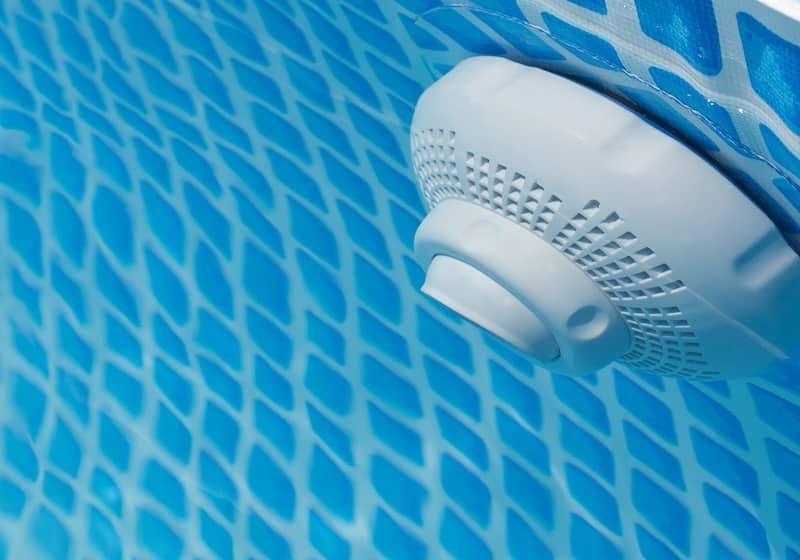
Yes, in most cases, a pool autofill system can be installed on an existing pool. Even if the pool was originally built without one, a retrofit installation is often possible.
The process usually involves connecting the autofill unit to a nearby household water supply and installing a small canister or sensor that monitors the water level. The device then opens a valve when the level drops and closes it once the desired water level is reached.
Several factors influence how the installation works, including:
- Deck construction and plumbing access
- The location of the skimmer or water line
- Existing pool equipment setup
- Whether a pool automation system is already present
For many homeowners, adding autofill during a pool automation upgrade or equipment replacement makes the process easier and more cost-efficient.
Types of Pool Autofill Systems Used in Florida
Not all autofill setups work the same way. Florida pool owners typically choose between mechanical systems and electronic automation solutions, depending on their pool equipment and overall pool automation setup.
Mechanical Float Valve Systems
These are the most common and simplest types of autofill.
A float inside a small tank monitors the water level. When the water drops, the float lowers and opens a valve that allows fresh water to fill the pool.
A mechanical float system is popular because it’s simple and dependable. The design has fewer parts, which keeps the cost lower and makes maintenance easier over time.
Because the system uses basic mechanical parts, it tends to be durable and low-maintenance.
Electronic Sensor Systems
Electronic autofill units rely on sensors instead of floats. When the sensor detects a low water level, it signals the system to connect to the water supply and refill the pool.
These systems often work with a pool automation system and provide better monitoring.
Some advantages include:
- More precise control of the water level
- Integration with pool automation dashboards
- Less visible equipment around the pool deck
Automation-Integrated Autofill Systems
Some modern systems combine autofill with full pool automation. Instead of operating as a separate device, the autofill becomes part of a larger system that helps manage filtration, heaters, lighting, and maintaining water levels from a single control setup.
For pool owners, this type of integration adds another layer of convenience. The system automatically monitors the water level and adjusts when needed, helping maintain a consistent water level without manual attention. Over time, this can support better water quality while reducing small issues that can develop when levels drop too low.
Benefits of Installing a Pool Autofill System
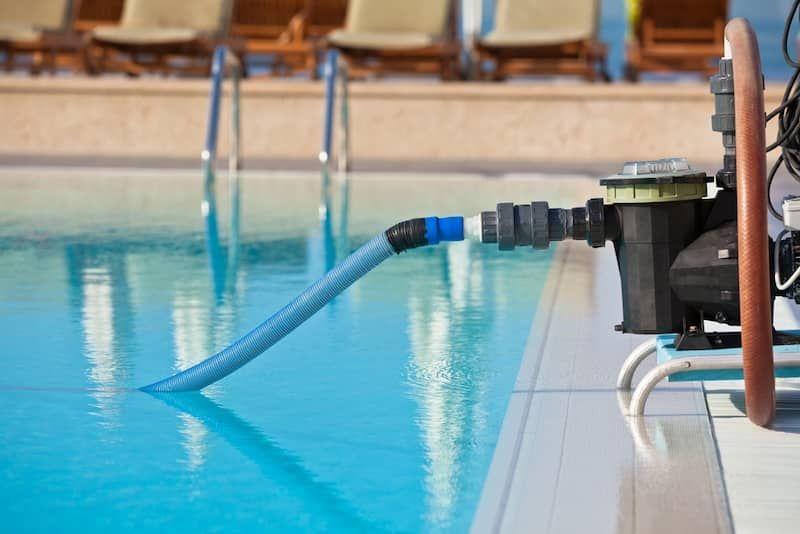
Adding a pool autofill system might seem like a small upgrade, but the benefits quickly become noticeable once it’s installed. For many Florida pool owners, the system simplifies pool maintenance while helping protect expensive pool equipment.
Protects Pool Equipment
Maintaining the correct water level is essential for protecting the pump and filtration system. When water drops too low, the skimmer can pull in air, increasing the risk of equipment damage.
Autofill systems ensure the pool always has the right amount of water to keep circulation operating properly.
Reduces Manual Work
Without automation, many homeowners rely on a hose to refill the pool. That usually means dragging the hose across the deck, turning the water on, and remembering to come back later to shut it off.
If you’ve ever forgotten a hose running overnight, you already know why autofill systems exist.
An autofill device removes that routine completely. The system monitors the water level and adds the right amount of water only when needed. You no longer have to watch the clock or worry about the pool running low.
Over time, this kind of automation saves effort, reduces water waste, and makes regular pool maintenance much easier to manage.
Helps Prevent Pool Overflows
Ironically, manually filling a pool can also cause pool overflows if the hose is left running too long.
An autofill system closes the valve once the desired water level is reached, preventing accidental overflow and unnecessary water waste.
Supports Better Water Balance
When the water level drops too much, pool chemistry can swing out of balance. Keeping the level steady makes it easier to maintain clear, comfortable water.
With a consistent water level, it becomes easier to maintain proper chemistry and enjoy clear, comfortable water for swimming.
Ideal for Vacation Homes
Many Florida properties serve as second homes or seasonal rentals. When owners are away on vacation, a pool may sit unattended for weeks.
An autofill unit helps maintain water levels automatically, reducing the worry of returning to a pool with circulation problems.
In the long run, the upgrade can save money by reducing equipment strain, preventing overflow mistakes, and minimizing unnecessary water loss.
How Pool Autofill Installation Works
Professional installation typically begins with evaluating the pool’s plumbing and deck layout. Technicians identify the best location to place the autofill unit so it can monitor the water level accurately.
The typical process includes:
- Locating the best water supply connection
- Installing the autofill canister or sensor
- Connecting the system to the household water line
- Adjusting the float or sensor to the desired water level
- Testing the system for proper operation
In some cases, the autofill may be tied into a broader pool automation system so that the pool and spa operate together under a single control interface.
Once the system is installed and calibrated, it begins working automatically. From that point forward, the device quietly monitors the water level and adds water only when necessary.
When Florida Homeowners Should Consider Adding Autofill
There are several situations where adding autofill makes sense for Florida homeowners.
If you frequently notice the water level dropping, automation can make a big difference in day-to-day pool maintenance.
Common scenarios include:
- Pools are losing water quickly due to evaporation.
- Homes with frequent guests or heavy swimming activity
- Properties used as seasonal rentals or vacation homes
- Pools with a spa or decorative water feature
- Busy homeowners who want to reduce maintenance tasks
Another situation occurs when upgrading pool equipment or installing a pool automation system. Adding autofill at the same time can reduce labor and simplify the overall setup.
Because the upgrade is relatively simple compared with major renovations, many pool owners see it as a practical investment that improves the overall reliability of their pool system.
Autofill Systems vs Pool Leak Detection
A common misunderstanding is that autofill systems can detect leaks. In reality, an autofill system simply maintains the water level by adding water when it drops.
Normal evaporation and splash-out are expected in any swimming pool. Autofill systems are designed to compensate for those small losses and maintain a consistent water level.
Leak detection is different. If a pool has a structural leak or plumbing issue, water loss may exceed normal evaporation levels. In those cases, an autofill system may continue adding water, which can hide the problem.
That’s why many pool owners still schedule periodic inspections as part of responsible pool maintenance.
Monitoring water usage and inspecting pool equipment helps identify unusual water loss before it leads to costly damage or unnecessary water waste.
Upgrading Pool Automation in Florida
Many Florida homeowners upgrade to a full pool automation system when replacing aging pool equipment or modernizing their backyard.
Automation allows better control over multiple features, including lighting, filtration cycles, heaters, and water levels.
Some modern systems integrate autofill with the broader pool automation platform. This means the system can monitor water levels, alert you if levels drop unexpectedly, and automatically adjust the pool.
Benefits of automation upgrades include:
- Centralized control of the entire pool system
- Improved energy efficiency
- Better water quality monitoring
- Greater convenience and saving time
For many pool owners, combining automation with an autofill upgrade improves both the daily operation and long-term reliability of the pool.
When to Have a Professional Check Your Pool Water
Even with automation upgrades, it’s still important to have a professional evaluate your pool occasionally. Changes in water level, unusual chemical balance, or equipment issues can sometimes signal deeper problems.
Regular inspections help ensure that the pool equipment, filtration system, and water chemistry are operating correctly. This is especially important in Florida, where heat, evaporation, and frequent use place extra demand on pool systems.
If you’re considering automation upgrades or installing a pool autofill system, working with experienced technicians can make the process much smoother.
Companies like Professional Aquatic Services help Florida pool owners evaluate equipment, improve pool maintenance routines, and install reliable upgrades that keep pools operating safely and efficiently for years to come.