If you’ve spent time researching pool care, you’ve probably seen people mention adding baking soda to their swimming pool. It sounds odd at first. After all, the same ingredient used in cookie recipes suddenly shows up in conversations about pool chemicals. Yet many Florida pool owners do it as part of a pool maintenance routine.
The reason comes down to water chemistry. Your pool water constantly changes because of rain, swimmers, sunscreen, chlorine, and even a windy day blowing debris into the pool. Over time, the pool requires balancing acidity, especially when total alkalinity drops too low.
When used properly, baking soda for pools can help stabilize pH levels, improve comfort for swimmers, and support keeping pool water safe. But it isn’t a magic solution. Understanding how it works and when to use it helps maintain crystal clear water while protecting pool surfaces and pool equipment across Florida backyards.
What Baking Soda for Pools Does to Pool Water
When people talk about using baking soda for pools, they are referring to sodium bicarbonate, a widely available compound that helps adjust water chemistry. In a swimming pool, its main role is to increase total alkalinity, which acts as a pH buffer that stabilizes the pool’s pH.
When alkalinity levels drop too low, pool water creates an unstable environment where pH bounce occurs. That means pH levels move up and down quickly, making it harder for chlorine or liquid chlorine to maintain the sanitizing effect needed to keep water clean.
Adding baking soda for pools works because sodium bicarbonate helps increase alkalinity without dramatically changing pH and alkalinity balance. This helps prevent skin irritation, stinging eyes, and the discomfort many swimmers notice when low alkalinity causes unstable pool water conditions.
In short, baking soda acts as a stabilizer. It doesn’t replace other pool chemicals, but it supports pool maintenance by helping maintain stable pH and consistent water alkalinity, which are essential for crystal clear water in Florida’s warm climate.
Why Pool Owners Add Baking Soda to Their Pools
Many homeowners in Florida discover baking soda for pools while troubleshooting common pool care problems. Often, the issue starts when alkalinity falls, causing unstable pool water and making pool maintenance routine tasks harder.
Here are the most common situations where people use baking soda.
Low Total Alkalinity
When inadequate alkalinity levels develop, pool water becomes more acidic. That imbalance can exponentially affect pH levels, forcing you to constantly adjust pool chemicals. Adding baking soda for pools helps raise total alkalinity, which restores balance and supports keeping pool water safe.
Stabilizing Pool Chemistry
Sometimes the pool’s alkalinity fluctuates because of heavy rainfall, frequent swimmers, or too much chlorine being added during shock treatments. In these situations, adding a calculated amount of baking soda for pools helps restore pH and alkalinity balance.
Improving Water Comfort
Water that is out of balance can cause itchy skin, stinging eyes, and uncomfortable swimming conditions. When low alkalinity leads to pH bounce, chlorine struggles to maintain the same sanitizing effect. Proper regular testing and occasional adjustments using baking soda for pools help keep the water comfortable and crystal clear.
Many pool owners see it as a cost-effective and handy tool within a broader pool maintenance strategy.
How Baking Soda Helps Maintain Proper Alkalinity
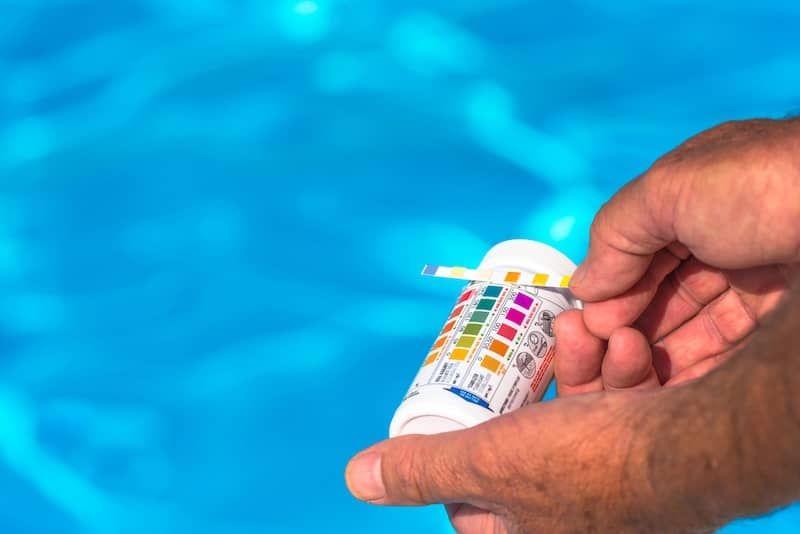
Maintaining healthy alkalinity levels is one of the most important parts of the pool maintenance routine. Ideally, total alkalinity should stay between 80 and 120 ppm. When alkalinity falls, pool water becomes unstable, which can cause frequent pH level swings and difficulty keeping the pool’s pH balanced.
Adding baking soda for pools helps because sodium bicarbonate works as a pH buffer. Instead of rapidly raising pH, it slowly stabilizes water’s alkalinity, preventing sudden chemical changes that disrupt pool care.
Before you add baking soda, always test the water using a liquid test kit. This helps determine how much baking soda is needed to increase alkalinity without overcorrecting. If you add too much baking soda, the water may drift toward high pH levels, which can contribute to scale buildup or cloudy conditions.
With proper regular testing, the calculated amount needed to raise alkalinity helps maintain balanced water chemistry and supports long-term pool maintenance.
Baking Soda vs. Soda Ash: What’s the Difference?
Pool owners sometimes confuse baking soda with soda ash, but these two pool chemicals serve different purposes. Understanding the difference helps you avoid incorrect adjustments during pool care.
|
Chemical |
Chemical Name |
Main Purpose |
Effect on pH |
|
Baking Soda |
Sodium bicarbonate |
Increase alkalinity |
Slightly raises pH |
|
Soda Ash |
Sodium carbonate |
Raise pH quickly |
Strong pH increase |
Many Florida homeowners turn to baking soda for pools when they need to increase alkalinity without dramatically affecting pH levels. By comparison, soda ash—also called sodium carbonate—is typically used when the pool’s pH needs to be raised more aggressively.
For example, if low alkalinity is causing unstable pH and alkalinity, baking soda to raise total alkalinity is usually the safer option. However, if muriatic acid was recently added to lower the pH and the water now tests too acidic, soda ash may be used to restore balance.
Using the wrong product can create negative effects like cloudy water, pH bounce, or even scaling on pool surfaces. That’s why regular testing and understanding the difference between soda ash and baking soda for pools helps keep water chemistry stable.
Common Mistakes When Using Baking Soda in Pools
While baking soda for pools can be helpful, mistakes happen when homeowners treat it like a quick fix rather than part of a balanced pool maintenance routine.
One common error is avoiding dumping large quantities of soda in your pool without testing first. If you add baking soda blindly, too much baking soda can push pH levels too high, causing cloudy water, scale buildup, or reduced sanitizing effect from chlorine.
Other mistakes include:
- Adding soda to your pool without measuring how much baking soda is needed
- Skipping regular testing with a liquid test kit
- Assuming baking soda fixes every water chemistry problem
- Forgetting that other components like liquid chlorine, calcium hardness, and pool equipment influence the balance
Another issue occurs when people scatter baking soda unevenly. Professionals recommend spreading it in wide arcs around the pool rather than pouring it in one spot. Some even lightly hammer baking soda clumps to help them dissolve faster.
Handled correctly, baking soda for pools can be a cost-effective way to maintain alkalinity, but improper use can lead to more chemical adjustments later.
Why Balanced Pool Chemistry Protects Pool Surfaces
Balanced water chemistry doesn’t just keep water comfortable. It protects the structure of your swimming pool. When pH and alkalinity fall outside recommended ranges, the water becomes aggressive and begins interacting with pool surfaces.
Low alkalinity levels can make water corrosive. Over time, that can wear down plaster finishes, stain tiles, and damage metal components like pool ladders or sensitive pool equipment.
On the opposite end, high pH levels or excess chemicals can lead to scale buildup on walls and plumbing. These mineral deposits reduce circulation and make surfaces feel rough to swimmers.
This is why balanced alkalinity, stable pH, and proper pool maintenance are essential. When pool water remains balanced, the environment stays crystal clear, and the pool finishes lasting longer before pool resurfacing becomes necessary.
Consistent pool care, including testing and occasional adjustments using baking soda for pools, helps prevent these long-term problems while keeping pool water safe for families throughout Florida.
When to Have a Professional Check Your Pool Water
Even if you stay on top of pool maintenance, there are times when professional advice becomes valuable. Florida pools face heavy rain, heat, and year-round swimming activity, all of which can exponentially affect water chemistry.
If your pool water frequently turns cloudy, develops a green pool, or requires constant chemical adjustments, a professional inspection can identify deeper causes. Technicians evaluate pH levels, total alkalinity, sanitizer levels, and how pool chemicals interact with saltwater systems, filtration, and pool equipment.
Professional testing also helps determine whether adjustments such as adding baking soda, muriatic acid, or additional chlorine are actually necessary. Without proper analysis, repeated chemical corrections can create imbalances that affect pool surfaces over time.
Many Florida homeowners schedule periodic water evaluations as part of responsible pool care. Companies such as Professional Aquatic Services emphasize the importance of maintaining balanced pool water, protecting pool surfaces, and keeping outdoor swimming areas safe through proper testing and consistent maintenance practices.
A quick professional assessment can ensure water is clean, balanced chemistry, and a swimming pool that stays safe, comfortable, and ready for swimmers all season long.