A homeowner decides it’s time for pool resurfacing to fix stains and cracks, but wants to save by keeping the old coping. At first, the plan seems practical—until water starts seeping behind the edge, tiles loosen, and repairs pile up within months. The question comes up often: Is it okay to resurface a pool without replacing coping? You can, but you probably shouldn’t.
The coping holds everything together—the shell, the surface, and the tile. Skip it, and the problems start fast. Professional Aquatic Services has seen it countless times across Orlando. Heat, humidity, and pool chemicals don’t forgive weak edges—they expose them. Understanding how coping affects long-term durability can help you, property managers, builders, and maintenance teams make smarter renovation decisions and avoid costly rework.
What Happens When You Skip Pool Coping Replacement
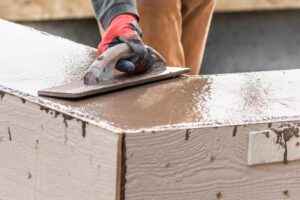
After pool resurfacing, the coping acts as both a structural seal and a clean border that locks the surface, tile, and shell together. When it’s left untouched, even minor gaps between the old coping and the new finish let water slip through. Over time, this weakens the bond, damages tiles, and shortens the life of the entire pool surface.
Water seepage becomes one of the first signs of trouble. Moisture finds its way behind the coping, leading to hidden cracks that spread fast. Tile loosening follows as shifting edges break grout lines and expose sharp spots. Then comes edge deterioration, where worn or chipped coping makes new plaster appear uneven. Within two to three years, most pool owners face another round of costly resurfacing—proof that skipping coping replacement rarely saves money in the long run.
Real-World Examples from Orlando Pools
What happens when coping is ignored becomes clear once you see it play out. A homeowner in Winter Park chose to resurface a concrete pool but skipped the coping to save on costs. Soon after, blisters appeared across the new plaster. Water slipped through tiny gaps between the coping and the pool shell, breaking the bond and forcing a full redo of the pool resurfacing project.
By contrast, a Baldwin Park homeowner replaced both the coping and surface during renovation. The new tile, with its natural stone edge and smooth texture, has held up beautifully for over a decade. Florida’s heat, humidity, and water chemistry constantly test pool finishes, especially in concrete and fiberglass pools. Professional Aquatic Services has seen this pattern across Central Florida. When coping and resurfacing are done together, pools stay sealed, last longer, and maintain a flawless finish.
Why Old Coping Can Undermine New Surfaces
Even with new pool resurfacing, old coping can stir up trouble fast. Florida’s heat pushes concrete, plaster, and tile to expand by day and contract by night. Those tiny shifts add up. They tug at the joint where the coping meets the pool shell. When coping is cracked or brittle, the bond breaks down. Water slips in, the finish starts to lift, and soon the edge loses its seal. What looked solid turns fragile in months, not years.
This constant movement also affects waterproofing. Gaps form where the coping meets the tile line, letting water reach the concrete beneath. Once moisture penetrates that layer, stains, chipping, and loose plaster often follow. Proper coping replacement locks these materials together and maintains a watertight edge.
- Expansion and contraction strain weak or aged coping joints.
- Bond failure occurs between the coping and the new pool plaster.
- Water intrusion causes surface damage and hidden leaks.
- Re-anchoring coping ensures stability, sealing, and long-term performance.
It’s like painting a wall with crumbling trim. It never holds up. Updating coping during a pool renovation gives the entire surface the support it needs to last.
When It’s Okay to Keep Existing Coping
Most pool resurfacing projects in Orlando need coping replacement, but there are rare cases when the existing edge can stay in place. The key is stability. If the coping is solid, sealed, and still bonded tightly to the pool shell, it can often handle a new surface without issues.
You can usually keep your coping if:
- It’s less than five years old and shows no signs of cracking or movement.
- The joints are sealed and free from gaps where water could enter.
- The material—such as concrete, natural stone, or paver coping—is compatible with the new pool plaster or finish.
- Minor regrouting or patching can restore a clean edge without removing the entire layer.
However, these cases are the exception, not the rule. Florida’s heat, humidity, and pool chemicals can break down even strong materials over time. An inspection by a resurfacing specialist can confirm if your coping qualifies before starting a full pool renovation.
Protecting Your Investment With Full Renovation
Resurfacing and coping replacement work best as one job. Split them up, and problems show fast—uneven edges, wasted labor, and worn surfaces. Do both together, and your pool gets a tighter seal, a cleaner edge, and a finish built to handle Florida’s heat. It also boosts the property’s value and gives the pool a cohesive, polished look that stands out.
A full renovation doesn’t just fix existing problems—it enhances performance and style at once. Modern coping materials bring fresh options for both design and durability.
|
Coping Material |
Key Benefits |
Best Use |
|---|---|---|
|
Travertine |
Cool underfoot and slip-resistant; ideal for hot climates |
Residential pools exposed to full sun |
|
Marble |
Elegant, durable, and resistant to fading |
Luxury pools or modern renovations |
|
Paver Coping |
Easy to replace and repair; offers flexibility |
Pools requiring frequent maintenance access |
Combining pool resurfacing and coping replacement prevents leaks, extends lifespan, and ensures every layer bonds correctly. When handled as one project, you avoid future repair costs, save on material waste, and achieve a flawless finish that performs and looks better for years.
What Pool Resurfacing Experts Recommend in Orlando
Professional Aquatic Services has resurfaced hundreds of swimming pools across Orlando. According to their team, the longest-lasting results always include new or properly reset coping. Replacing the edge ensures the new finish seals correctly and stays watertight through Florida’s heat, rain, and heavy use.
Their expert tip: ask your resurfacing contractor about bonding joints and waterline sealing before installation. These small details protect the structure, prevent leaks, and keep your pool renovation performing like new